|
| | Home | About Us | Contact Us | Community Activities | News | Photo Gallery | Articles | Culture | Media | Literature | |
| | Dr. Ambedkar | Kanshi Ram | Babu Mangoo Ram | Ad-Dharm | The Gurus | Lord Buddha | Letter Box | Great Personalities | |
|
|
All of these articles by C. L. Chumber
|
||||||||||
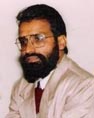
S.
Paritam Singh Sarih, former president, Guru Nanak National College, Nakodar
district Jalandhar, Punjab (India) died on 24th July, 2011. His village
Sarih is adjacent to my village Hussain Abad (Saina Bad). He organized
a rally in 1969 A.D in his village to honour S. Parkash Singh Badal as
CM. His college ' s foundation function in 1969 A.D. to which S. Sawaran
Singh then Defence minister addressed. I attended both functions. C.
L. Chumber Posted on July 25, 2011
|
The Guru Ravidas Sadhu Sampardaye
, Punjab , All India Adi-Dharam Mission and the Samaaj Bachaao morcha
demanded to add the column of Adi- Dharam in the census 2010 A.D. like census 1931A.D. . They asked the people to record themselves as the followers of the Adi-Dharam in a press conference at Jalandhar city yesterday.... Link: http://www.punjabkesari.in/Details.aspx?id=40403&boxid=28674316 (Punjab Keasari) Guru Ravidas Sadhu Sampardaye rejected dera Ballan`s religion and asked people to enrole as the followers of the Adi-Dharam founded by Baba Babu Mangu Ram Muggowalia. They demanded to restart a column for the Adi-Dharam as in the census 1931 A.D. Link: http://newspaper.ajitjalandhar.com/index.php?edid=8&pgid=4&dtid=20100505 ( Ajit Jalandhar) |
I am really feeling privileged by submitting the a rarest glossary of links on the British ruled India ( 1757 - 1947 AD ) . Mr. David Steinberg did a very hard and honest research for the benfits of the research scholars as well as for the lay persons to know the sources on this period . I am confident that all will appreciate Mr. David`s efforts ( David.Steinberg@houseofdavid.ca ) > Thanks. On Wed, Jul 22, 2009 at 8:46 PM, C.L. CHUMBER <c.l.chumber@gmail.com> wrote: C. L . CHUMBER said July 22, 2009 @ 7:14 am DEAR ADMINISTRATOR JI , British Ruled India (1757-1947 ) by David Steinberg David.Steinberg@houseofdavid.ca Home page http://www.houseofdavid.ca/ 1. Documentary Sources, Libraries
and other Institutions 1.1 British Sources House of Commons Parliamentary Papers (HCPP) – This gives access to texts of British Laws (e.g. all the government of India Acts) as well as many key reports tabled e.g. Command Papers (CD) such as the Crewe Report on the reorganisation of the India Office (CMD 207 1919); Report of the Joint Committee. Report and proceedings; Evidence, Appendices, Records and Indices (Indian Constitutional Reform) and Report, proceedings, and Records (Indian Constitutional Reform); annual Statement exhibiting the moral and material progress and condition of India
Index To Theses (http://www.theses.com/ ) – A comprehensive listing of theses with abstracts accepted for higher degrees by universities in Great Britain and Ireland since 1716. There are just under half a million theses in this collection. Access provided by many academic libraries. British Library Integrated Catalogue (http://catalogue.bl.uk/ ) – Records of British theses held in the British Library collection are included in the ‘Document Supply Material’ section of this catalogue. 1.2 South Asian Sources INFLIBNET is an autonomous Inter-University Centre of the University Grants Commission (UGC) of India. It includes searchable: * Books Database * Serials Database * Theses Database Government Archives in South Asia:
A guide to National and State Archives in Ceylon, India and Pakistan,
ed – D. A. Low, J. C. Iltis, M. D. Wainwright. Library of Congress Online Catalog Dissertation Abstracts Online is a definitive subject, title, and author guide to virtually every American dissertation accepted at an accredited institution since 1861. Selected Masters theses have been included since 1962. In addition, since 1988, the database includes citations for dissertations from 50 British universities that have been collected by and filmed at The British Document Supply Centre. Beginning with DAIC Volume 49, Number 2 (Spring 1988), citations and abstracts from Section C, Worldwide Dissertations (formerly European Dissertations), have been included in the file. ProQuest Digital Dissertations – key online searchable source. Access provided by many academic libraries. Project South Asia – Web-based digital library for improving the study and teaching of South Asia * Political History: Speeches, Letters, and Documents Indian History Sourcebook Papers of Sir Percy James Grigg, PC, KCB, KCSI Tej Bahadur Sapru (1875-1949) his papers H.R.H. the Duke of Connaught’s Address to the Indian Assembly on its Inauguration, 9 February 1921 School of Oriental and African Studies
Library – London South Asia Libraries in USA Duke University Library – South Asian Studies (dissertations) 2. Bibliography of Books Articles and Dissertations 3. Wikipedia Articles (main Category – British rule in India) Akbar Aligarh Muslim University see also Sir Syed Ahmed Khan Amritsar Massacre And General Reginald
Dyer British Indian Army, Military of British India British Political Parties and Politicians * Frederick Pethick-Lawrence; William
Hare, Earl of Listowel British rule in India, British Raj, Cabinet Mission Caste System; Social groups of India;
Brahmins; Scheduled Castes and Tribes; Dalit (outcaste); Neo-Buddhism;
All-India Scheduled Caste Federation; B.R. Ambedkar Joseph François Dupleix All India Forward Bloc * Government of India Act 1919 and
Montagu-Chelmsford Reforms; Milner’s Kindergarten; Lionel Curtis
(protagonist of Dyarchy used in the 1919 Act – author David Steinberg);
Harry Hodson on the Round Table; Edwin S. Montagu speaks to the House
of Commons on the Government of India Bill, 5 June 1919 Allan Octavian Hume Indian National Congress and All India
Congress Committee Jammu and Kashmir, Instrument of
Accession Kashmir and Kashmir Dispute Maharaja Nana Sahib Nawab (includes links to various nawabs) Pandit Jawaharlal Nehru Motilal Nehru Nehru Report (author David Steinberg) New Delhi Nizam of Hyderabad Partition of the province of Bengal Vallabhbhai Patel Battle of Plassey Political integration of India Princely States Quit India Movement Rajasthan Rajputs and Rajputana Red Fort Republic of India and Pakistan Indian Round Table Conferences 1931-1933 (author David Steinberg); Communal Award; Proposed Indian Round Table Conference 1922 (author David Steinberg) Rowlatt Act Tej Bahadur Sapru (author David Steinberg) Valangiman Sankarana-rayana Srinivasa Sastri (author David Steinberg) Siraj Ud Daulah Social Darwinism 4. Other Links Provinces of British India Library of Congress – India Country Study Liberal political activity in India over the past 120 years Sunset on the Raj – India 1945-48 The “Satraps’ Scheme” for Government of India Reform, 15th January, 1919 Partition of Bengal [1905-1911] Simla Deputation [1906] Establishment of All India Muslim League [1906] Minto-Morley Reforms The Lucknow Pact [1916] Montague-Chelmsford Reforms Khilafat Movement [1919-1924] Simon Commission [1927] Delhi Muslim Proposals [1927] Nehru Report [1928] All Parties Muslim Conference Fourteen Points of M. A. Jinnah [1929] Allahabad Address [1930] Round Table Conferences [1930-33] The Communal Award [1932] Government of India Act 1935 Rule of Congress Ministries [1937-1939] The Ideology of Pakistan: Two-Nation Theory Emergence of Gandhiji – National Politics and Its Aftermath Gandhiji’s Associates in India Nehru Report – Muslim View Pandit Moti Lal Nehru Governor General of India [1] See Electronic Theses and Dissertations:
a Strategy for the UK by John MacColl. |
|---|
Received from C.L. CHUMBER <c.l.chumber@gmail.com> On October 3, 2009 7:44 PM NEW CONTACT MOBILE NUMBER 91-96462-27227 *REVERED JOGINDER NATH MANDAL WAS PAKISTAN`S FIRST EVER LAW AND LABOUR MINISTER OF PAKISTAN. BEFORE THIS BABA MANGU RAM MUGGOWALIA WAS OFFERED THE PRESIDENTSHIP OF PAKISTAN IF HE VOTED FOR PAKISTAN BUT HE OPTED FOR INDIA. LATE MR. JOGINDER NATH MANDAL OPTED FOR PAKISTANON THE ADVICE OF DR. AMBEDKAR. MR. O.P. KAPIL, PRINCIPAL, (MASTER GURBANTA SINGH) JANTA COLLEGE, KARTAR PUR DISTT. JALANDHAR (PUNJAB) PUBLISHED A SOUVNIR ON MASTER GURBANTA SINGH`S 75TH BIRTH ANNIVERSARY *. *IN THIS SOUVENIR A LETTER OF MR. N. SHIVRAJ , PRESIDENT , THE SCHEDULED CASTES FEDERERATION DATED NEW DELHI , 20TH MARCH , 1946 WAS PUBLISHED * *AS BELOW * SECRET I AM GLAD TO INFORM YOU THAT A SETTELMENT HAS BEEN ARRIVED AT BETWEEN THE MUSLIM LEAGUE AND THE SCHEDULED CASTES FEDERATION WITH REGARD TO THE PUNJAB LEGISLATURE .THE MUSLIM LEAGUE IS PREPARED TO OFFER TO THE MEMBERS OF THE SCHEDULED CASTES ONE POST OF MINISTER AND ONE POST OF PARLIAMENTARY SECRETARY IF THE MEMBERS OF THE SCHEDULED CASTE FORM A COALITION WITH THE MUSLIM LEAGUE. IN VIEW OF THE ABOVE, I REQUEST YOU AND OTHERS WHO ARE NOT IN THE CONGRESS
TO TAKE ALL NECESSARY STEPS TO ORGANIZE OURSELVES INTO A BLOCK AND WORK
AND VOTE WITH THE LEAGUE. I HAVE CONSULTED THE HON`BLE DR. B.R. AMBEDKAR
AND THIS HAS HIS COMPLETE APPROVAL.YOURS N. SHIVRAJ
“DURING THIS PERIOD, THERE WERE RUMOURS OF PAKISTAN
AND DR. AMBEDKAR SENT SOME PUNJABI YOUNGSTERS WORKING AT DELHI TO US TO
URGE THAT THE ADI-DHARAM MANDAL MUST CASTE VOTE FOR PAKISTAN. THE PUNJAB`S
10-15 TOP MOST MUSLIM OFFICERS ALONG WITH CHOWDHURY SUNDER DASS , PRESIDENT
, MANDAL`S MANAGING COMMITTEE , MASTER GURBANTA SINGH AND 5-6 OTHER PROMINENT
ADI-DHARAMIS IN 8 CARS AND JEEPS REACHED ( MY VILLAGE ) MUGGOWAL . THEY
WERE WEL COMED WITH TEA IN TUMBLERS. BEFORE TAKING TEA, CHOWDHURY SUNDER
DASS TOLD THE MESSAGE THAT PAKISTAN OFFERED 50 MURABBAS LAND, RS. 50,000
CASH AND TWO MINISTRIES WE HAD TO CASTE VOTE FOR PAKISTAN. I FLATELY REFUSED
TO ACCEPT THESE ALLUREMENTS AND THEY LEFT OUR HOME WITHOUT TAKING TEA
! DR. AMBEDKAR WAS ANNOYED ON OUR REFUSAL ( TO CASTE VOTE FOR PAKISTAN
) . AFTER PAKISTAN`S PARTITION , I ALONG WITH ( MASTER ) GURBANTA SINGH
AND PREM SINGH ( M.L.A. FROM GURGAON , NOW IN HARYANA STATE ) WENT TO
MET DR, AMBEDKAR AT DELHI . REVERED JOGINDER NATH MANDAL ALSO BLAMED DR. AMBEDKAR THAT HE MISGUIDED BENGALI DALITS TO VOTE FOR PAKISTAN . HIS STATEMENT OF BLAMING DR. AMBEDKAR IS DULY PUBLISHED IN J.N. MANDAL`S BIOGRAPHY `S 1ST OR SECOND VOLUME WRITTEN AND PUBLISHED BY MR. MANDAL`S SON LIVING AT KOLKATTA . I MET HIM IN 1995 AT KOLKATTA AND HE NOW COMPLETED THE BIOGRAPHY IN 7 VOLUMES IN BANGLA . MR. MANDAL`S STATEMENT BLAMING DR. AMBEDKAR WILL BE PRODUCED IN ENGLISH IN NEAR FUTURE . THIS WRITE UP IS TO ATTRACT THE RESEARCHERS TO FIND THE ROLE OF THE DALIT LEADERSHIP AT THE TIME OF PARTITION OF INDIA IN 1947 A.D. SAHIB KANSHI RAM ONCE PUBLISHED A SPECIAL ISSUE OF HIS ENGLISH MONTHLY THE OPPRESSED INDIA TO HIGHLIGHT THE SAD PLIGHT OF THE BENGALI NAMO-SHUDRA DALITS LIVING IN THE DELTA OF THE GANGA DUE TO THE WRONG DECISION OF THE DALIT LEADERSHIP AT THE TIME OF PARTITION . THIS RESIGNATION LETTER OF REVERED J.N. MANDAL AS LAW MINISTER OF PAKISTAN AND THE RESIGNATION LETTER OF REVERED DR. B.R. AMBEDKAR AS LAW MINISTER OF INDIA SHOW THEIR DISAPPOINTMENTS WITH THE LEADERSHIP OF BOTH THE COUNTRIES. LET US DO THE COMPARATIVE STUDY IN DEPTH TO FIND THE DISEASES , CAUSES AND THEIR REMEDIES OF THE DALIT PROBLEMS . THANKS,
My dear Prime Minister It is with a heavy heart and a
sense of utter frustration at the failure of my lifelong mission to uplift
the backward Hindu masses of East Bengal that I feel compelled to tender
resignation of my membership of your cabinet. It is proper that I should
set forth in detail the reasons which have prompted me to take this decision
at this important juncture of the Indo-Pakistani subcontinent.
3. After the general elections held in March 1946 Mr. H.S.Suhrawardy became the leader of the League Parliamentary Party in March 1946 and formed the League Ministry in April 1946. I was the only Scheduled Caste member returned on the federation ticket. I was included in Mr. Suhrawardy's Cabinet. The 16th day of August of that year was observed in Calcutta as 'The Direct Action Day' by the Muslim League. It resulted, as you know, in a holocaust. Hindus demanded my resignation from the League Ministry. My life was in peril. I began to receive threatening letters almost every day. But I remained steadfast to my policy. Moreover, I issued an appeal through our journal 'Jagaran' to the Scheduled Caste people to keep themselves aloof from the bloody feud between the Congress and the Muslim League even at the risk of my life. I cannot but gratefully acknowledge the fact that I was saved from the wrath of infuriated Hindu mobs by my Caste Hindu neighbours.The Calcutta carnage was followed by the 'Noakhali Riot' in October 1946. There, Hindus including Scheduled Castes were killed and hundreds were converted to Islam. Hindu women were raped and abducted. Members of my community also suffered loss of life and property. Immediately after these happenings, I visited Tipperah and Feni and saw some riot-affected areas. The terrible sufferings of Hindus overwhelmed me with grief, but still I continued the policy of co-operation with the Muslim League. Immediately after the massive Calcutta Killing, a no-confidence motion was moved againstthe Suhrawardy Ministry. It was only due to my efforts that the support of four Anglo-Indian Members and of four Scheduled Caste members of the Assembly who had hitherto been with the Congress could be secured, but forwhich the Ministry would have been defeated.
5. I joined the Interim Government on November 1, 1946. After about a month when I paid a visit to Calcutta, Mr.Suhrawardy apprised me of the communal tension in some parts of East Bengal, especially in Gopalganj Sub-division, where the Namahsudras were in majority, being very high. He requested me to visit those areas and address meetings of Muslims and Namahsudras. The fact was that Namahsudras in those areas had made preparations for retaliation. I addressed about a dozen of largely attended meetings. The result was that Namahsudrasave up the idea of retaliation. Thus an inevitable dangerous communal disturbance was averted. 6. After a few months, the British Government made their
June 3 Statement (1947) embodying certain proposals for the partition
of India. The whole country, especially the entire non-Muslim India, was
startled. For the sake of truth I must admit that I had always considered
the demand of Pakistan by the Muslim League as a bargaining counter. Although
I honestly felt that in the context of India as a whole Muslims had legitimate
cause for grievance against upper class Hindu chauvinism, I held the view
very strongly indeed that the creation of Pakistan would never solve the
communal problem. On the contrary, it would aggravate communal hatred
and bitterness. Besides, Imaintained that it would not ameliorate the
condition of Muslims inPakistan. The inevitable result of the partition
of the country would be toprolong, if not perpetuate, the poverty, illiteracy
and miserable conditionof the toiling masses of both the States. I further
apprehended thatPakistan might turn to be one of the most backward and
undeveloped *LAHORE RESOLUTION* 7. I must make it clear that I have thought that an attempt would be made, as is being done at present, to develop Pakistan as a purely 'Islamic' State based on the Shariat and the injunctions and formulae of Islam. I presumed that it would be set up in all essentials after the pattern contemplated in the Muslim League resolution adopted at Lahore on March 23, 1940. That resolution stated inter alia that (I) "geographically contiguous areas are demarcated into regions which should be constituted with such territorial readjustments as may be necessary, that the areas in which the Muslims are numerically in majority as in the north-western and eastern zones of India, should be grouped to constitute independent States in which the Constituent units shall be autonomous and sovereign" and (II) "adequate, effective andmandatory safeguards should be specifically provided in the Constitution forminorities in these units and in these regions for the protection of theirreligious, cultural, political, administrative and other rights andinterests in consultation with them." Implicitly in this formula were (a) that North western and eastern Muslim zones should be constituted into two independent States, (b) that the constituent units of these States should beautonomous and sovereign, (c) that minorities' guarantee should be inrespect of rights as well as of interest and extend to every sphere oftheir lives, and (d) that Constitutional provisions should be made in these regards in consultation with the minorities themselves. I was fortified in my faith in this resolution and the professions of the League Leadership by the statement Qaid-e-Azam Mohammed Ali Jinnah was pleased to make on the 11th August 1947 as the President of the Constituent Assembly giving solemn assurance of equal treatment for Hindus & Muslims alike and calling upon them to remember that they were all Pakistanis. There was then no question of dividing he people on the basis of religion into full-fledged Muslim citizens and zimmies [i][1] being under the perpetual custody of theIslamic State and its Muslims citizens. Every one of these pledges is beingflagrantly violated apparently to your knowledge and with your approval incomplete disregard of the Qaid-e-Azam's wishes and sentiments and to thedetriment and humiliation of the minorities. *PARTITION OF BENGAL*
10. When the question of partition of Bengal arose, the Scheduled Caste people were alarmed at the anticipated dangerous result of partition. Representation on their behalf were made to Mr. Suhrawardy, the then Chief Minister of Bengal who was pleased to issue a statement to the press declaring that none of the rights and privileges hitherto enjoyed by the Scheduled Caste People would be curtailed after partition and that they would not only continue to enjoy the existing rights and privileges but also receive additional advantages. This assurance was given by Mr. Suhrawardy not only in his personal capacity but also in his capacity as the Chief Minister of the League Ministry. To my utter regret it is to be stated that after partition, particularly after the death of Qaid-e-Azam, the Scheduled Castes have not received a fair deal in any matter. You will recollect that from time to time I brought the grievances of the Scheduled Castes to your notice. I explained to you on several occasions the nature of inefficient administration in East Bengal. I made serious charges against the police administration. I brought to your notice incidents of barbarous atrocities perpetrated by the police on frivolous grounds. I did not hesitate to bring to your notice the anti-Hindu policy pursued by the East Bengal Government especially the police administration and a section of Muslim League leaders. *SOME INCIDENTS* 12. The second incidence of police oppression took place in early part of 1949 under P.S. Gournadi in the district of Barisal. Here a quarrel took place between two groups of members of a Union Board. One group which was in the good books of the police conspired against the opponents on the plea o their being Communists. On the information of a threat of attack on the Police Station, the O.C., Gournadi requisitioned armed forces from the headquarters. The Police, helped by the armed forces, then raided a large number of houses in the area, took away valuable properties, even from the house of absentee-owners who were never in politics, far less in the Communist Party. A large number of persons over a wide area were arrested. Teachers and students of many High English Schools were Communist suspects and unnecessarily harassed. This area being very near to my native village, I was informed of the incident. I wrote to the District Magistrate and the S.P. for an enquiry. A section of the local people also prayed for an enquiry by the S.D.O. But no enquiry was held. Even my letters to the District authorities were not acknowledged. I then brought this matter tothe notice of the highest Authority in Pakistan, including yourself but tono avail.
14. Then occurred the incident at the Nachole in the District of Rajshahi where in the name of suppression of Communists not only the police but also the local Muslims in collaboration with the police oppressed the Hindus and looted their properties. The Santhals then crossed the border and came over to West Bengal. They narrated the stories of atrocities wantonly committedby the Muslims and the police.
*CAUSES OF THE FEBRUARY DISTURBANCE*
*OFFICIALS HELPED LOOTERS*
*BACKGROUND OF THE RIOT* (i) To punish the Hindus for the daring action of their representatives in the Assembly in their expression of protest by walking out of the Assembly when two adjournment motions on Kalshira and Nachole affairs were disallowed.
(iii) Apprehension of launching of a movement for re-union
of East and West Bengal by both Hindu and Muslim leaders made the East
Bengal Ministry and the Muslim League nervous. They wanted to prevent
such a move. They though that any large-scale communal riot in East Bengal
was sure to produce reactions in West Bengal where Muslims might be killed.
The result of such riots in both East and West Bengal, it was believed,
would prevent any movement for re-union of Bengals. (v) The consequences of non-devaluation and the Indo-Pakistan trade deadlock to the economy of East Bengal were being felt most acutely first in urban and rural areas and the Muslim League members and officials wanted to divert the attention of the Muslim masses from the impending economic breakdown by some sort of Jihad against Hindus. *STAGGERING DETAILS - NEARLY 10,000 KILLED*
*NO EARNEST DESIRE TO IMPLEMENT DELHI PACT*
*GOVERNMENT PLAN TO SQUEEZE OUT HINDUS*
28. I have failed to understand why the question of electorate has not yet been decided. It is now three years that the minority Sub-Committee hasbeen appointed. It sat on three occasions. The question of having joint or separation electorate came up for consideration at a meting of the Committee held in December last when all the representatives of recognised minorities in Pakistan expressed their view in support of Joint Electorate with reservation of seats for backward minorities. We, on behalf of the Scheduled Castes, demanded joint electorate with reservation of seats for Scheduled Castes. This matter again came up for consideration at a meeting called in August last. But without any discussion whatsoever on this point, the meeting was adjourned sine die. It is not difficult to understand what the motive is behind this kind of evasive tactics in regard to such a vital matter on the part of Pakistan's rulers. *DISMAL FUTURE FOR HINDUS* 29. Coming now to the present condition and the future of Hindus in East Bengal as a result of the Delhi Agreement, I should say that the present condition is not only unsatisfactory but absolutely hopeless and that the future completely dark and dismal. Confidence of Hindus in East Bengal has not been restored in the least. The Agreement is treated as a mere scrap of paper alike by the East Bengal Government and the Muslim League. That a pretty large number of Hindus migrants, mostly Scheduled Caste cultivators are returning to East Bengal is no indication that confidence has been restored. It only indicates that their stay and rehabilitation in WestBengal, or elsewhere in the Indian Union have not been possible. The sufferings of refugee life are compelling them to go back to their homes. Besides, many of them are going back to bring movable articles and settle ordispose of immovable properties. That no serious communal disturbance has recently taken place in East Bengal is not to be attributed to the Delhi Agreement. It could not simply continue even if there were no Agreement or Pact. 30. It must be admitted that the Delhi Pact was not an end in itself. It was intended that such conditions would be created as might effectively help resolve so many disputes and conflict existing between India and Pakistan. But during this period of six months after the Agreement, no dispute or conflict has really been resolved. On the contrary, communal propaganda and anti-India propaganda by Pakistan both at home and abroad are continuing in full swing. The observance of Kashmir Day by the Muslim League all over Pakistan is an eloquent proof of communal anti-India propaganda by Pakistan. The recent speech of the Governor of Punjab (Pak) saying that Pakistan needed a strong Army for the security of Indian Muslims has betrayed the real attitude of Pakistan towards India. It will only increase the tension between the two countries. *WHAT IS HAPPENING IN EAST BENGAL TODAY*
*HINDUS VIRTUALLY OUTLAWED*
*PAKISTAN 'ACCURSED' FOR HINDUS*
35. And what about the Muslims who are outside the charmed circle of the League rulers and their corrupt and inefficient bureaucracy ? There is hardly anything called civil liberty in Pakistan . Witness for example, the fate of Khan Abdul Ghaffar Khan than whom a more devout Muslim had not walked this earth for many years and of his gallant patriotic brother Dr. Khan Sahib. A large number of erstwhile League leaders of the Northwest and also of the Eastern belt of Pakistan are in detention without trial. Mr. Suhrawardy to whom is due in a large measure the League's triumph in Bengal is for practical purpose a Pakistani prisoner who has to move under permit and open his lips under orders. Mr. Fazlul Haq, that dearly loved grand old man of Bengal, who was the author of that now famous Lahore resolution, is ploughing his lonely furrow in the precincts of the Dacca High Court of Judicature, and the so called Islamic planning is as ruthless as it iscomplete. About the East Bengal Muslims general, the less said the better. They were promised of autonomous and sovereign units of the independent State. What have they got instead? East Bengal has been transformed into a colony of the western belt of Pakistan, although it contained a population which is larger than that of all the units of Pakistan put together. It is a pale ineffective adjunct of Karachi doing the latter's bidding and carrying out its orders. East Bengal Muslims in their enthusiasm wanted bread and they have by the mysterious working of the Islamic State and the Shariat gotstone instead from the arid deserts of Sind and the Punjab
36. Leaving aside the overall picture of Pakistan and the callous and cruel injustice done to others, my own personal experience is no less sad, bitter and revealing. You used your position as the Prime Minister and leader of the Parliamentary Party to ask me to issue a statement, which I did on the 8th September last. You know that I was not willing to make a statement containing untruths and half truths, which were worse that untruths. It wasnot possible for me to reject your request so long as I was there working as a Minister with you and under your leadership. But I can no longer afford to carry this load of false pretensions and untruth on my conscience and I have decided to offer my resignation as your Minister, which I am hereby placing in your hands and which, I hope, you will accept without delay. You are of course at liberty to dispense with that office or dispose of it in such amanner as may suit adequately and effectively the objectives of your Islamic State. Yours sincerely, |
I am very much sad to know the demise of general secretary of Indian Buddhist Society, Toronto, Canada Mr. Hardev Banger’s mother Mata Ji Raj Kaur Banger ( December 4 , 1915 - July 22 , 2009 ) from the www. Ambedkartimes.com and Mr. Raj Kumar Oshoraj of Canada . There is no substitute of mother. A mother’s children are portraits of herself. Our mothers gave births to us and take care of us even at the fag end of their lives. That is why Punjab ’s Dalit folk singer Mr. Kuldip Manak recorded a song in Punjabi “Maan Hundi E Maan Dunia Walio ". Mr. Manak sent a natural message that the world must realize that there is no substitute of mother. His song was very familiar in Punjab in the seventh decade of 20th century. Our younger brother Mr. Ravi Parkash was so much impressed by this song that he used to sing this song in a very decent voice like Mr. Manak. We often at night requested him to sing that song. This song united us under our mother `s leadership after the death of our revered father Mr. Punjab Rai Chumber, M.A. (Eco), Diploma in Russian. All the mothers love their children very much. Even at one stage they love their children even more than their husbands. This is due to their emotions that their children rested for nine months in their wombs. Many mothers die at the time of delivery. Every mother takes a risk to her life from the conception of her child to delivery. Every mother dares to give birth to another child! Our mothers are better than our Gods! Mothers gave births to Gods, Gurus, Saints, warriors, journalists, scientists and statesmen! That is why a revolutionary Indian thinker late Acharya Rajneesh said, “The moment a child is born, the mother is also born. She never exited before. The woman existed, but the mother, never. A mother is something absolutely new." Once a warrior died in the battle field, his dead body was brought at home. All the relatives and friends were in shock and were weeping bitterly. But his wife was not weeping. This was very dangerous position for her life. A wise person suggested bringing her child. When she saw her child, she started weeping loudly. I imagine that even the mothers weep on their own deaths by thinking that who will care for her children and their fathers! That is why Buddha advised us, " Love the whole world as a mother loves her only child ." We all are aggrieved on the sad demise of Mr. Hardev Banger’s mother and pay our last respect to her. Let us follow the path of our aboriginal Indian forefathers. Posted on August 02, 2009 |
|---|
All news with courtesy: DEAR VIEWERS, I CAN NOT SUBMIT ' TO-DAY`S INDIAN HIGHLIGHTS ' ON 28TH AND 29TH JUNE, 2009 AS I WAS IN JOURNEY BACK ( 6TH JUNE TO 27TH JUNE ) FROM MAHARASHTRA . I AM TRYING MY BEST TO SUBMIT THE BEST NEWS CONCERNED WITH OUR VIEWERS` CONCERN. ONE OF OUR VIEWERS APPRECIATED THIS ATTEMPT IN A WEBSITE! I WAS A NEWS EDITOR IN MY GOVT. HIGH SCHOOL, SHANKAR (JALANDHAR). I AM OF THE VIEWS THAT THE VIEWERS HAVE NOT SO MUCH SPARE TIME TO SEARCH FOR NEWS OF THEIR INTERESTS ESPECIALLY NRIs IN THEIR BUSY SCHEDULE . |
|---|
MICHAEL JACKSON KING OF POP IS NO MORE We pay homage to this legendary personality who entertained trillions and trillions people for four decades. All news with courtesy: Jackson loved India , says Rahman NRIs AND INDIA CONCERNED NEWS: India, US to work closely on regional security: US NSA GREATER PUNJAB NEWS ( PUNJAB , HARYANA, HIMACHAL PARDESH AND CHANDIGARH ) Hepatitis A , 4 more doctors taken ill |
|---|
All news with courtesy: NRIs / INDIA CONCERNED NEWS: |
|---|
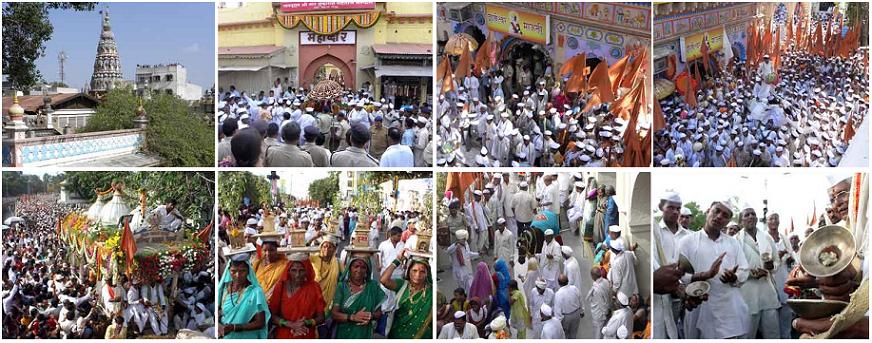
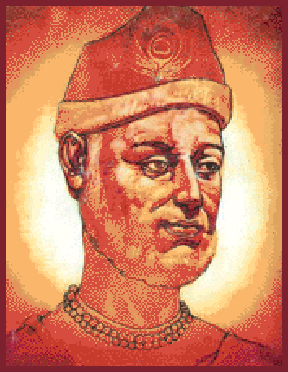
Sant Tuka Ram and Sant Gayaneshwar
|
|---|
All news with courtesy: India stares at deficit rains NRIs CONCERNED NEWS 85% Australians feel racism exists in Australia |
|---|
All news with courtesy: Buddhadeb defies Karat on Naxal ban NRI NEWS |
|---|
All news with courtesy: Ready for dialogue if government agrees to some of our demands: Maoists |
|---|
All news courtesy: Advani ducks fire, plans talent hunt Banga bags a bonanza @Mastercard
BJP forms a committee to analyse poll debacle with audio , video and photos .
'Scared' Lalgarh cops using youths as shields
13-yr-old boy, grandfather brutally murdered in Hoshiar Pur .
Maneka's claim of Muslims not voting for BJP refuted
Moots impartial federal agency
Police kill 7 supporters of Maoists
Mamata wants Centre to act against CPI(M)
Papers containing code words for admission to colleges seized in Tamil Nadu
Varun Gandhi`s speech CD not doctored: FSL
‘People can question Cabinet decisions’
Tribals up in arms against acquisition of land in Andhra Pardesh
Naxalite Menace - I , Maoists’ aim: Seize power in Delhi
http://www.tribuneindia.com/2009/20090622/main8.htm |
|---|
8-yr-old booked under goonda Act in U.P. Medico’s Murder , Case registered after 2 years http://www.tribuneindia.com/2009/20090621/jal.htm#3 Fill sarovar with earth, raze domes: Sikh conclave PCS officers blame DC Ludhiana Govt will come down with heavy hand: Badal Amarinder criticises CM ‘Raise education standard in govt schools’ http://www.tribuneindia.com/2009/20090621/punjab.htm#1 Rage and outrage: BJP at war within http://timesofindia.indiatimes.com/Rage-and-outrage-BJP-at-war- Every 2nd student in India enrols in pvt college Former Haryana CM and sons to be prosecuted by CBI Rajnath calls for peace and soft Hindutva Shourie raises accountability issue http://www.hindu.com/2009/06/21/stories/2009062154170800.htm Insidious web of bonded labour spreads to margins in Tamil Nadu http://www.hindu.com/2009/06/21/stories/2009062160310800.htm “ India should learn from experiences of Japan ” http://www.hindu.com/2009/06/21/stories/2009062160300700.htm Raids against child labour in Andhra Pardesh http://www.hindu.com/2009/06/21/stories/2009062152740300.htm Ration card distribution becomes a ‘BJP show’ in Bangalore http://www.hindu.com/2009/06/21/stories/2009062153980600.htm Parents of children studying in Australia a worried lot http://www.hindu.com/2009/06/21/stories/2009062157410300.htm Amendments will take away GUJCOC's 'teeth and nails': Modi http://www.indianexpress.com/news/amendments-will-take-away-gujcocs-teeth-and- Mumbai belongs to all Indians: Chavan |
|---|
|
|||
|---|---|---|---|
|
|
On June 11, 2009 and June 13, 2009 sharndhanjali samaroh of 108 Sant Sarwan Dass Ji and 108 Sant Ramanand Ji were observed at Dera Sachkhand Ballan. Thousands of the millions of followers of Dera Ballan paid their tributes at both the occassions. As per the earlier established tradition of the Dera Ballan during such occassion eleven Akhand Paths of Guru Granth Sahib were organised. However, there is a deviation of the tradition this time. Akhand paths of Guru Granth Sahib were not arranged. The bani of Guru Ravidass were recited. This was, as mentioned in the Times of India (Dated 14, 2009) in reaction to the Vienna incidence. SOME LINKS :-
http://newspaper.ajitjalandhar.com/index.php?edid=2&dtid=20090614
( The Ajit , Jalandhar , Punjabi daily dated 14th June , 2009 ) http://www.jagbani.com/epapermain.aspx
( The Jag Bani , Jalandhar , Punjabi daily dated 14th June , 2009 ) http://www.tribuneindia.com/2009/20090614/punjab.htm
(The Tribune , Chandigarh , English daily dated 14th June , 2009 ) http://www.amarujala.com/today/14jal.asp
( The Amar Ujala , Jalandhar , Hindi daily dated 14th June , 2009 ) http://in.jagran.yahoo.com/news/local/punjab/4_2_5544974.htm
l ( The dainik Jagran ( Jalandhar ) Yahoo dated 14th June , 2009 ) http://www.thepaperboy.com/frontpages/index.cfm?PaperCountry=India
( Very very informative on epapers dailies , weeklies and monthlies in English , Hindi and Indian vernacular languages ! ) http://www.newspapers.co.in/india.cfm
( Indian Newspapers: We have 291 Newspapers from India Listed )
|
|---|
Guru Kabir Sahib Ji was a very daring, visionary and honest towards his philosophy. Guru Ravidass and Guru Kabir Sahib both born at Varanasi , the religious capital of the Manuwad. in the Bhakti movement to which we can recall as the Indian renaissance , Guru Ravidass and Guru Kabir Sahib had to face both the priest classes of the Hinduism and the Islam as well as the political power of the Islam as well the socio-economic power oh the Aryans . We are proud of them they did not compromise with these anti-people forces even at the cost of their lives. Guru Ravidass was allured with ' Paras ' by the manuwadis but guru Ji ignored these allurements. Guru Ji `s children are still living in the huts at sheer Goverdhan Pur, Varanasi (U.P., India )Guru Kabir is not projected in the aboriginal Indians properly. I love Guru Kabir Sahib very much; he lives in my brain, heart and mind. I always run on his way of fraternity having head put on my palms. In Jalandhar city, the Guru Kabir Chowk is my brain child .I popularized Guru Kabir Sahib in the youths of Megh / Bhagat community and they honoured in the Guru Kabir Gurpurab functions.Advocate Hans Raj Bhagat, a Megh by caste was elected on the Adi Dharam Mandal ticket in the Punjab assembly election 1937 A.D. from the Sialkot seat (now in Pakistan ). He was so revolutionary in those days that he did intercaste marriage with a Chamar lady. His community boycotted him and he settled at Delhi . There is atleast one IPS officer in his family. Let us pledge to follow the path of Guru Kabir Ji and Baba Hans Raj Bhagat MLA and parliamentary secretary. |
|---|
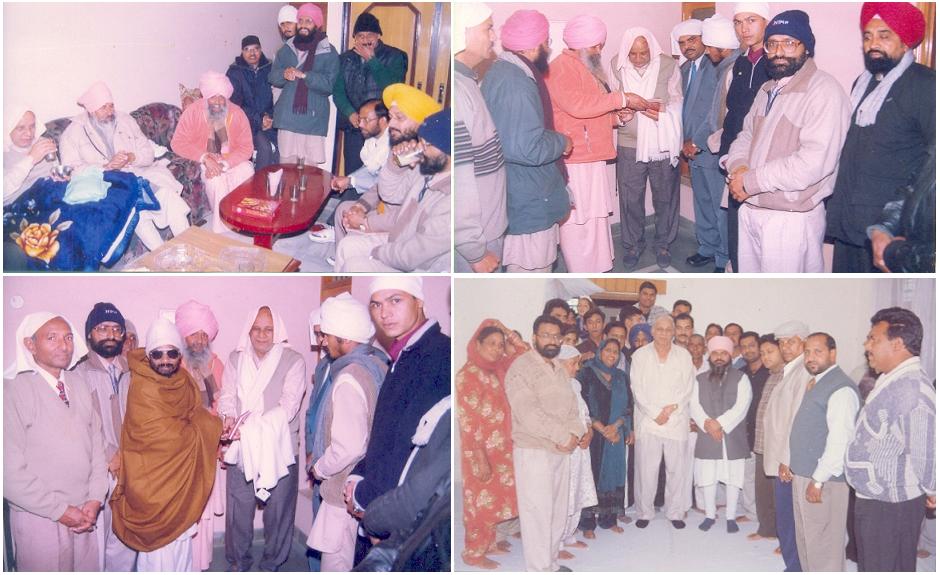
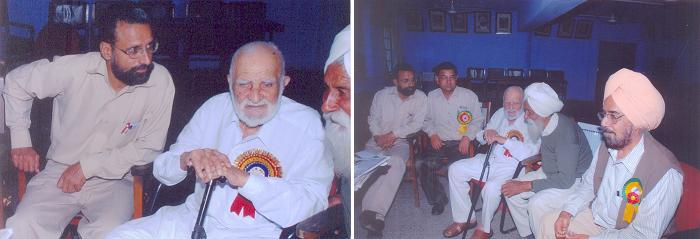
(1) Saheb Kanshi Ram Ji, Sant Naranjan Dass Ji, head , Dera SachKhand, Ballan (Jalandhar) and Sant Rama Nand Ji of Dera Ballan , Sant Surinder Kumar Bawa, C.L. Chumber, F.C. Mall, Hargopal Singh Ex M.L.A , Satish Bharti seen in picture at Dera Ballan in 2000 AD. (2) Shaheed Sant Rama Nand (religious leader) and Shaheed-E-Azam Saheb Kanshi Ram (political leader) who both were victims of the status quo forces. Mr. Summan also seen (3) Saheb Kanshi Ram Ji watching the religious literature presented by Sant Rama Nand Ji (4) Saheb Kanshi Ram Ji and Sant Surinder Kumar (Kathaar) at Sant Sarwan Dass Charitable Hospital, Kathaar (Jalandhar).
Posted on May 31, 2009 |
|---|
By C. L. Chumberc.l.chumber@gmail.comThe Bathinda Fort is situated at the Bathinda district head quarter near the Punjab-Haryana- Rajasthan boarder from where the Indus Valley Civilisation excavated at Kalibangan in district Hanumangarh is nearer., the Brass village is situated on the Chandigarh- Fatehgarh Saheb (Sirhind) road near village Chuni and is also connected at Sadhugarh with a link road in between Fatehgarh Sahib - Ambala NH-1 G.T. Road .If you come from Ropar side, then reach Morinda to Chuni road. It is situated in Fatehgarh Saheb district where I used to visit off and on to watch this site when I was Tehsil Welfare Officer, Sirhind in 1979 AD. The village Dadheri is near Mandi Gobindgarh tehsil head quarter in Fatehgarh Saheb district on Ambala - Fatehgarh Saheb - Ludhiana NH -1G.T. Road .There is a road from Bus Stand Mandi Gobindgarh to village Dadherhi. The village Singh Bhagwan Pur is on Chandigarh - Jalandhar via Ropar road in between Kurali and Ropar near village Solkhian where the Gurdwara on road is famous. I am very much indebted to my friend S. Santokh Singh Salana (president, formerly Saheb Kanshi Ram Bachaao Sangharsh Committee of which I was national general secretary and spokesman) r/o village Salana Tehsil Amloh district Fatehgarh Saheb who supplied me valuable information regarding the exact locations of these historical villages. The village Ghuram is situated on Patiala - Pehowa road .If you come from Delhi then you may turn from Kurukshetra on NH - 1 G.T. Road to Pehowa to reach Ghuram. I firstever visited Ghuram in 1980 AD when I went there to meet my school time friend who purchased land in this village after selling his land in village Shankar ( Jalandhar ) .I was lucky to watch my aboriginal Indian forefathers` Indus Valley Civilisation there ! The language department, Govt. of Punjab, Patiala published a survey book on Ghuram. The Katpalon and Nagar are two adjacent villages on Ludhiana - Nawan Shahar via Phillaur road. You may drop at village Nagar .I have no information regarding location of villages Salaura and Nagiari. Next Sanghol is situated on Chandigarh - Ludhiana road in between Morinda and Khamano in district Fatehgarh Saheb .There is also a road from Fatehgarh Saheb / Bassi Pathaana to Sanghol. The Sanghol is also known as Ucha Pind localy . Fatehgarh Saheb is the focal point of Brass, Dadheri, Singh Pura and Sanghol. Sanghol is near to village Singh Bhagwan Pur which is approached Morinda to Kurali and then to Ropar. Sunet is now part and parcel of the Ludhiana City .It is situated on Ludhiana - Ferozepur road .The village Rohira is located on the Ludhiana - Malerkotka road. There are also villages Dhogarhi and Ajrhaam where the Indus Valley civilisation was recovered .I read about these villages in Dr. R.S. Sharma’s books .the excavations in these villages may be pre-independence (15th August, 1947) as at Ropar which was seven times destroyed and rebuilted .I read first ever about Ropar in a Hindi text book of Delhi where I completed some classes of my primary education. When you visit Ropar you must visit Saheb Kanshi Ram`s village Khawas Pur on Ropar - Nangal road. The rickshaw pullers charge Rs.10-15 only. Saheb Kanshi Ram was the torch bearer of the Indus Valley Civilisation after the revered Baba Mangu Ram Muggowalia. The village Dhogarhi is near Jalandhar City. Jalandhar City was the head quarter of US returned Gadhrite Baba Babu Mangu Ram Muggowalia’s Adi-Dharam Mandal. The Adi-Dharam Mandal first ever revived the Indus Valley Civilisation among the aboriginal Indians. You may visit http://www.ambedkartimes.com for more details. The village Dhogarhi is situated on Jalandhar City Alawal Pur road via Dhogari .You may catch local bus Jalandhar to Alawal Pur via Dhogari .It is also situated on Jalandhar City / Cantt. - Pathankot / Jammu railway line having railway station at Dhogari which is now abandoned and now the nearest station is Alawal Pur for passenger trains .You may drop at Railway station Jalandhar City / Cantt. The nearest airport is the Raja Sansi International Airport, Amritsar about 100 Kms. The village Ajrhaam is situated on Jalandhar City / Cantt. - Hoshiar Pur road near Nasrala .I visited Sanghol ,Sunet , Ajrhaam and Dhogarhi so many times .In 1983 Ad , we visited the Sanghol in a group from Jalandhar .We were M/s late Paritam Ramdasspuri , R.C. Sangar , Prem Kumar Chumber (Editor:http://www.ambedkartimes.com & www.ambedkartimes.org), Surinder Chachoki , Parkash Chand Jassal , Kartar Chand Baudh, Hussan Lal Baudh and many others who can be identified by the photographs taken at that time . SOME WEBSITES ON INDUS-VALLEY CIVILIZATION!!!!! I suggest some websites :-(1) http://www.mahenjodaro.net ( 2 ) http://www.imagesofasia.com ( 213 images of the valley ) ( 3 ) http://www.harappa.com ( 4 ) http://asi.nic.in ( 5 ) http://www.ignca.gov.in . You may also read 75 websites halving sources on Indus valley civilisation .You may also get help from Google / Yahoo.. Thanks. C.L. Chumber Excavations - Since Independence - Punjab
Posted on May 11, 20 |
|---|
|
|---|
|
Baba Mangu Ram Muggowalia, an untouchable of Punjab landed in USA in December, 1909 AD and later on he joined the revolutionary militant movement of NRIs to liberate his country from the Britishers. He was in charge of the Maverick ship loaded with weapons and his new name was Nizamudin. He was arrested in Manila the capital of Philippines in East Asia. He was arrested on the information of Mr. Bela Singh Jiaan resident of village Jiaan near Chabbewal in district Hoshiarpur (Punjab, India) who was later on killed in his village by the Babbar Akalis brutally! Babu Ji returned India after sixteen years and next year he founded the Adi Dharam Mandal like revolutionary socio-religious organisation of the untouchables to “convert “them as “Touchables " . No person in modern period gave the aboriginal Indians their own ADI DHARAM like religion in which their culture and dignity of their Adi Gurus is highlighted. Recently a Sikh professor research scholar emphasized that the Adi Dharam is the revolutionary visionary religion along with the Sikh religion and the Sufi-ism which brought revolutionary changes in the Punjabi society! But most of the Adi Dharami people are thankless society who forgets their emancipator recently .That is why they are slaves since centuries! If they do not mend their ways, they may be slave again. I am satisfied that after the Adi Dharam Brotherhood , UK , Mr. Prem Kumar Chumber and his team placed the photographs in all the Guru Ravidas Gurudwaras including the last one, Mr. Prem Kumar Chumber (Editor of www.ambedkartimes.com) presented the picture of Gadhari Baba Babu Mangu Ram Mugowalia to Shri Guru Ravidass Sabha Fresno (California) where our emancipator and international revolutionary militant Baba Mangu Ram Muggowalia lived for five years. Please imagine sentiments and sacrifices of his and his lieutenants Gadhrite Babas who sacrificed USA, their lives and properties for our freedom. But we people never bothered for them. We never visit their village and Samadhi Sthal. We never celebrate their birthdays and death anniversary because we are afraid of the Britishers and their stooges’ rulers. I congratulate the members of Shri Guru Ravidas Sabha Fresno , Selma , Sacramento , Indo American Heritage Forum , Fresno ( California ) and Indo US Heritage Association , Fresno and other personalities who are responsible for this ever great achievement . We Indian followers of Baba Mangu Ram Muggowalia will come to USA on his route to India via Sri Lanka and Philippines to visit his sites and once again we thank all the committees of Shri Guru Ravidas Gurdwaras ( Sacramento, Selma, Bay Area, Pittsburg, Yuba City, Fresno and New York ) who placed Baba Mangu Ram Muggowalia photos in the Gurdwaras ! LEST WE FORGET BABA MUGGOWALIA LIKE EMANCIPTORS OF THE EX UNTOUCHABLES! Posted on March 25, 2009 |
|---|
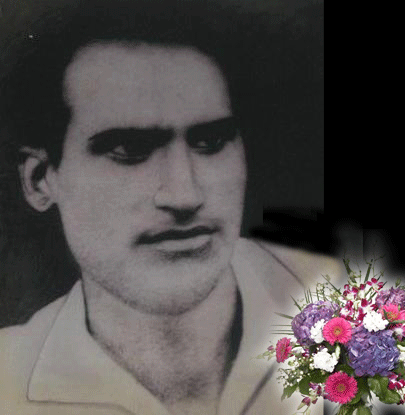 |
WE PAY OUR GLOWING TRIBUTE TO OUR RESPECTED LATE SHRI PUNJAB RAI CHUMBER M.A.(Eco.) ON HIS 39 TH DEATH ANNIVERSARY ( October 25th, 2007) |
Mrs. Bishan Kaur Chumber (WIFE) Mr. C. L. Chumber , Son, (Chief Editor Kaumi Udarian, Jalandhar City, Punjab) , Mrs. Santosh Chumber, Daughter-in-law, (Teacher), Mr. Prem Kumar Chumber, Son, (Editor of www.ambedkartimes.com Ph. 001-510-219-8920), Mrs. Narender Chumber, Daughter-in-law, (Technician), Mrs. Resham Kaur Mehmi, (Daughter), Mr. Dharam Paul Mehmi, Son-in law, (Manager, Oriental Bank of Commerce), Mr. Tarsem Lal Chumber, Son, (Lyric, Singer & Journalist, Jalandhar City), Mrs. Ranjeet Chumber, (Daughter-in-law), Mrs. Balwinder Devi Badhan, (Daughter) Business, Mr. Raj Kumar Badhan (Son-in-law), Principal in MPSEB, Mrs. Naranjan Kaur Ladhar, (Daughter) (TGT S.S of JNV), Mr. Ashok Kumar Ladhar, (Son in law), Principal of JNV, and Mr. Ravi Parkash Chumber (Son). Grand Daughters : Ravjot Chumber, Amandeep Chumber, Takshila Chumber, Namrita Mehmi, Akanksha Badhan, Meera Chumber, Anjhulka Chumber, and Princy Ladhar. Grand Sons: Kumarjeev Chumber, Jan Sangram Chumber, Kabir Chumber, Naveen Mehmi, Parveen Mehmi, and Anshu Badhan. |
|
|
|
| | Home | About Us | Contact Us | Community Activities | News | Photo Gallery | Articles | Culture | Media | Literature | |
| | Dr. Ambedkar | Kanshi Ram | Babu Mangoo Ram | Ad-Dharm | The Gurus | Lord Buddha | Letter Box | Great Personalities | |